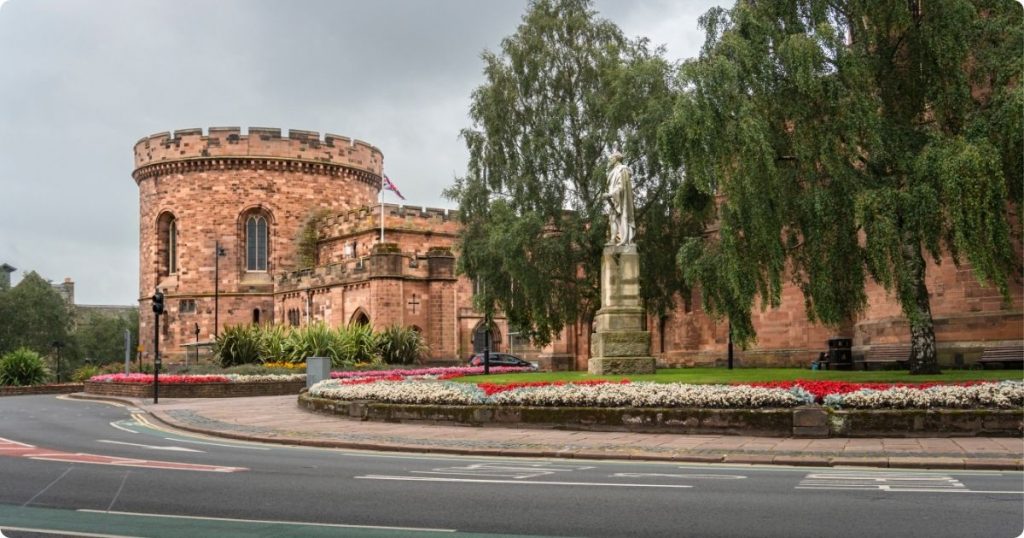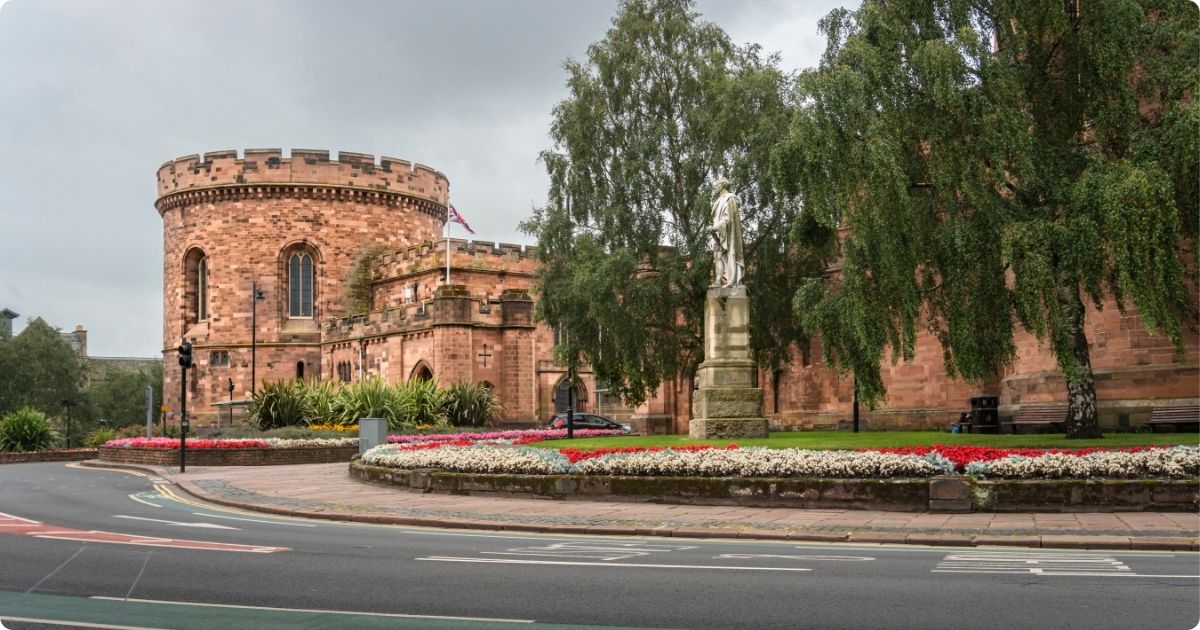
Carlisle Castle, standing proudly amidst the picturesque landscapes of Cumbria, England, is a testament to centuries of history, intrigue, and resilience. At the heart of this formidable fortress lies its crowning glory: the ancient walls that have witnessed the ebb and flow of time, bearing witness to the triumphs and tribulations of generations past. Join us as we embark on a journey through the storied history of Carlisle Castle Walls, uncovering tales of strength, conflict, and legacy that have shaped the destiny of this historic landmark.
1. A Roman Foundation:
The origins of Carlisle Castle Walls can be traced back to Roman times, when the strategic importance of the area prompted the construction of a military fort known as Luguvalium around AD 72. The Romans, recognizing the site’s defensive advantages and proximity to Hadrian’s Wall, erected sturdy stone walls to protect the settlement and establish a stronghold in the north of England. These early fortifications laid the groundwork for the future development of Carlisle as a significant military and administrative center.
2. Medieval Majesty:
Throughout the medieval period, Carlisle Castle Walls underwent significant expansion and reinforcement, reflecting the ever-present threat of invasion and unrest along the Anglo-Scottish border. In the 12th century, King Henry I ordered the construction of a stone keep within the castle grounds, signaling the beginning of a new era of fortification and fortitude. Over the centuries, successive monarchs added towers, gatehouses, and battlements to enhance the castle’s defensive capabilities, transforming it into a formidable stronghold that stood guard over the surrounding countryside.
3. The Scottish Connection:
Carlisle’s strategic location near the Anglo-Scottish border made it a frequent target for Scottish raids and incursions throughout its history. The castle walls bore witness to numerous sieges and skirmishes, including the famous Siege of Carlisle in 1315, when King Robert the Bruce of Scotland launched a daring assault on the fortress. Despite sustaining damage during the conflict, the castle walls held firm, symbolizing the resilience and determination of the English defenders in the face of adversity.
4. Tudor Turmoil and Civil War Strife:
During the Tudor period, Carlisle Castle Walls played a pivotal role in the tumultuous events of the English Reformation and the subsequent Civil War. In the 16th century, King Henry VIII ordered the castle’s transformation into a military garrison and prison, reflecting its continued importance as a strategic stronghold on the border. During the Civil War of the 17th century, Carlisle Castle became a battleground once again, as Royalist and Parliamentary forces vied for control of the city and its formidable defenses. The castle walls bore witness to intense fighting and siege warfare, enduring bombardment and assault as the conflict raged on.
5. Modern Times and Preservation Efforts:
In the centuries that followed, Carlisle Castle Walls gradually transitioned from a military fortress to a symbol of heritage and history. In the 19th century, efforts were made to preserve and restore the castle’s medieval features, ensuring that its storied past would be safeguarded for future generations to appreciate. Today, visitors to Carlisle Castle can explore the ancient walls, towers, and ramparts that have stood the test of time, marveling at their architectural ingenuity and historical significance. Guided tours, interactive exhibits, and special events offer insight into the castle’s rich heritage, allowing visitors to immerse themselves in the fascinating tales of courage, resilience, and legacy that echo through its hallowed halls.
In conclusion, the history of Carlisle Castle Walls is a testament to the enduring spirit of fortitude and resilience that has defined this historic landmark throughout the ages. From its Roman foundations to its medieval magnificence and modern-day preservation efforts, the castle walls stand as a testament to the strength and legacy of those who have called Carlisle home. As we walk in the footsteps of history along these ancient ramparts, let us pause to reflect on the tales of strength and valor that have shaped the destiny of this iconic fortress for centuries to come.